Milvu: The Display Typeface for Bold Creators
In a world saturated with safe, predictable typography, finding a font that genuinely commands attention can feel like a breakthrough. Milvu is exactly that kind of typeface—a striking, all-caps display font engineered to be the visual centerpiece of any project. It’s not designed to whisper in the background; it’s built to make a definitive statement. For designers, entrepreneurs, and creators who refuse to blend in, this font offers a powerful tool for establishing immediate visual impact and a distinct brand personality.
Understanding Milvu's Distinctive Character
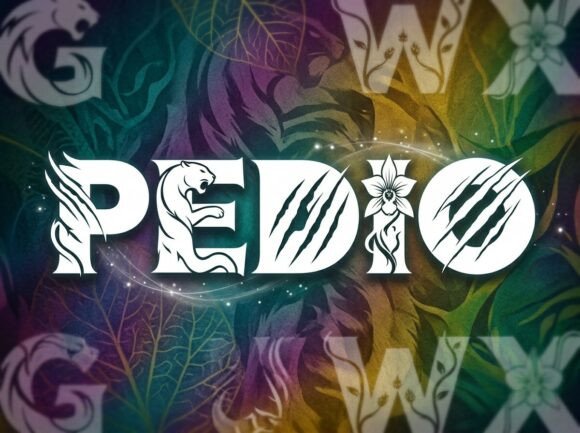
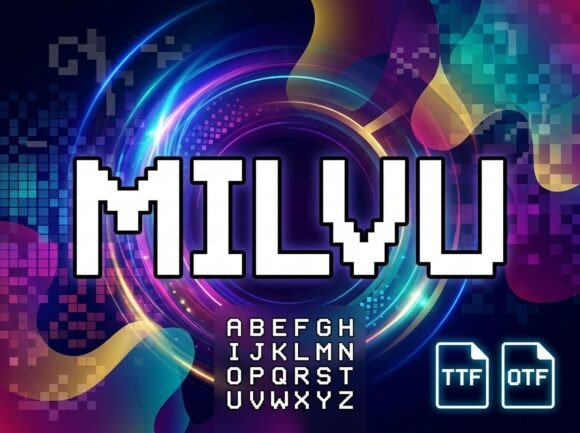
At its core, Milvu is a decorative display font with a strong, artistic flair. Its letterforms are crafted with unique stylistic elements that give it a modern yet timeless appeal. Think of it as the typographic equivalent of a bold signature—it’s personal, confident, and unmistakably unique. The visual personality of Milvu leans towards the contemporary, making it an excellent choice for projects that aim to feel fresh, innovative, and premium. Unlike a standard sans serif font or a classic serif font, Milvu doesn’t just convey words; it conveys attitude. This makes it a valuable addition to any designer’s toolkit of design assets, especially when the goal is to move beyond functional text and into the realm of visual artistry.
It’s crucial to note, as with many powerful display fonts, that Milvu is an all-caps typeface. This is a deliberate design choice. The uppercase letterforms are where its artistic details shine, creating a uniform and monumental look. This characteristic makes it unsuitable for body copy but perfect for scenarios where every letter should contribute to a larger visual composition. When you choose Milvu, you’re choosing a font that prioritizes impact over conversational flow, which is a strategic decision for the right kind of project.
Where Milvu Truly Shines: Practical Applications
The true value of a creative font like Milvu is realized in its application. Its versatility across different mediums is one of its greatest strengths, allowing it to elevate a wide range of creative and commercial work.
- Logo Design and Brand Identity: This is where Milvu excels. A logo needs to be memorable, and Milvu’s distinctive character helps create brand identity assets that are instantly recognizable. It works exceptionally well for brands in lifestyle, fashion, artisanal goods, tech startups, and creative agencies looking to project confidence and innovation. Using it for a wordmark ensures the brand name itself becomes a key visual element.
- Editorial and Packaging Design: In editorial design, Milvu can transform magazine covers, chapter headings, and pull quotes into focal points. Similarly, in packaging design, it can make product names leap off the shelf, communicating quality and a curated aesthetic. Imagine it on a craft coffee bag, a boutique cosmetics box, or a specialty food label—it immediately sets a premium tone.
- Digital and Web Design: For web design, Milvu is ideal for hero sections, navigation menus, and key call-to-action buttons where you need to guide the user’s eye. It pairs beautifully with clean, neutral body fonts, creating a clear visual hierarchy that enhances user experience. On social media, it’s a powerhouse for creating scroll-stopping social media graphics, especially for quotes, announcements, and promotional banners.
- Personal and Commercial Projects: Beyond professional branding, Milvu is a fantastic tool for bloggers, publishers, and crafters. Use it for standout blog post titles, ebook covers, or printable wall art. For small business owners, it can elevate everything from business cards to invoices, adding a layer of professionalism and intentional design to every touchpoint.
Making Milvu Work for You: A Practical Guide
Adopting a new premium font requires more than just liking its look; it requires strategic implementation to ensure it serves your project’s goals effectively.
Evaluating Fit and Readability
First, assess if Milvu’s all-caps nature aligns with your content needs. Is the text meant to be a headline, a logo, or a short, impactful statement? If yes, it’s a strong candidate. If you need to set paragraphs of readable body text, you’ll need to pair it with a complementary script font, handwritten font, or a more neutral sans serif. Always test readability at the intended size and in context. A font that looks stunning in a design mockup might lose its charm if the letters become indistinguishable at a small scale on a mobile screen.
Mastering Font Pairing
The art of font pairing is where Milvu can truly help you build a cohesive brand identity. Its bold personality means it often pairs best with something understated. A simple, geometric sans serif or a classic serif with good x-height can provide a perfect counterbalance. The key is contrast in style but harmony in mood. For example, pairing Milvu with a clean sans serif like Montserrat or a transitional serif like Merriweather can create a dynamic yet professional typographic system for a website or brand guide.
Leveraging the Included Files
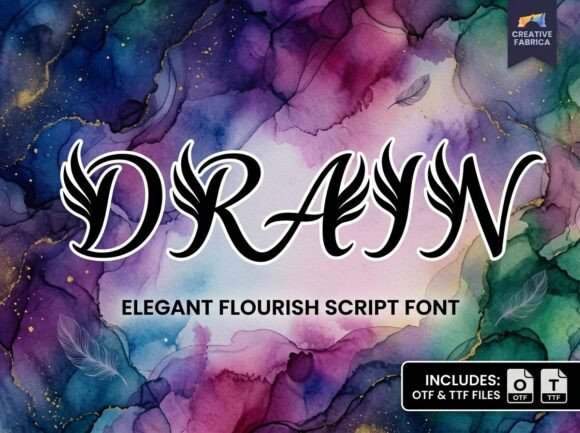
When you acquire Milvu, you receive both an OTF (OpenType Font) and a TTF (TrueType Font) file. The OTF file is the professional standard, offering advanced typographic features and superior scalability for print and high-resolution digital design. The TTF ensures universal compatibility, which is essential if you’re distributing the font to clients or using it in software that may not fully support OTF. Understanding these font file types helps you use the asset correctly across different platforms, from Adobe Creative Suite to Canva or Microsoft Office.
Finally, always consider licensing for commercial use. Ensure the license covers your intended applications, whether for a client project, merchandise, or digital products. A commercial font like Milvu is an investment in your creative toolkit, and using it properly within its license protects that investment and supports the type designers who created it. By thoughtfully integrating Milvu, you’re not just choosing a font—you’re adopting a visual voice that can elevate your work and resonate with your audience.